Food crisis 'looming' after global energy shock, UN agriculture fund says / Photo: ANTHONY WALLACE - AFP



Rising energy and fertiliser costs are hitting smallholder farmers and driving up prices of agricultural commodities, fueling fears of a global food crisis, the head of the UN agriculture development fund told AFP.
Global agricultural prices jumped 13 percent in the third quarter of the year, according to the International Fund for Agricultural Development (IFAD), which warned a "global food crisis is looming".
The surge in energy prices due to conflict in the Middle East has sparked a sharp increase in the cost of fertilisers and fuel this year, driving up agricultural production and transport costs.
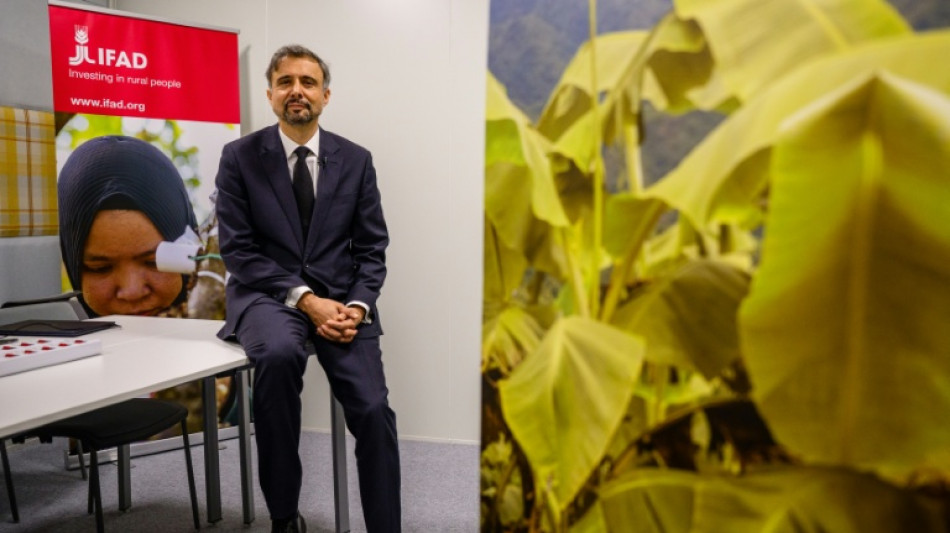
"Over the next six to nine months, we will see continued increases related to food prices, but also I would say even inflation in terms of food, which will impact most of the populations that actually can afford it less," IFAD President Alvaro Lario told AFP in an interview on Tuesday.
Already, "almost one in three people in the world cannot afford a healthy diet", Lario said.
"So I think the costs of a healthy diet, which means an increased cost on legumes, on vegetables, on meat, is just having a big impact on what people can afford to consume."
Food insecurity affects around 260 million people worldwide, accord to UN figures.
Because food accounts for a significant portion of household budgets in developing countries, price hikes are felt acutely there, noted Lario, speaking on the sidelines of the International Monetary Fund and World Bank meetings in Bangkok.
Smallholder farmers -- who account for one-third of global food production, and up to 70 percent in many developing nations -- are the most severely affected by the energy shock, according to IFAD, and were especially vulnerable to rising fertiliser prices.
"In the very short term, there is very little that governments can do. They can subsidise, for example, the price of fertiliser input... or fuel through subsidies," he said.
G7 nations pledged on Thursday to mobilise $2.5 billion to assist countries at risk of food insecurity, with a specific focus on fertilisers.
Lario called for longer term solutions to address underlying vulnerabilities.
"The important lesson is that these shocks will continue over time. So the most important lesson is that actually we should be building the resilience for the next three to five years," he said.
"You need to diversify the type of value chains and crops that you are currently self-sufficient, and food security becomes now in many countries a matter of national security," he added.
Lario also flagged the impact of climate change on small-scale farmers, who received less than one percent of allocated global climate finance.
"It's very clear that farming... starts with soil health, and it starts with availability of water, and both are very much affected by climate change. What we need to really do is to try to attract investments... in climate adaptation," he said.
A.Noel--PP