Trump administration re-approves twice-banned pesticide / Photo: SCOTT OLSON - GETTY IMAGES NORTH AMERICA/AFP/File



US President Donald Trump's administration on Friday re-approved the use of pesticide dicamba for spraying on top of genetically-modified cotton and soybean crops, drawing swift backlash from environment groups and the Make America Healthy Again movement.
The move comes despite federal courts in 2020 and 2024 striking down the Environmental Protection Agency's previous approvals of the contentious weedkiller.
"This decision responds directly to the strong advocacy of America's cotton and soybean farmers, particularly growers across the Cotton Belt, who have been clear and consistent about the critical challenges they face without access to this tool for controlling resistant weeds in their growing crop," the EPA said in a statement.
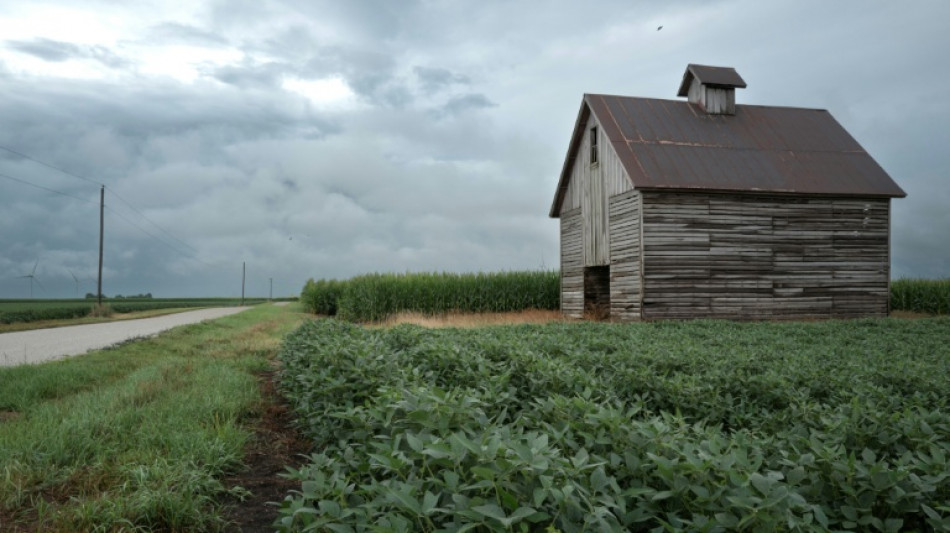
A persistent concern about dicamba is "drift": when the chemical volatilizes in high heat it can spread for miles, poisoning other farms, home gardens as well as trees and plants.
The 2020 court ruling that first overturned dicamba's approval found it caused damage across millions of acres and "has torn apart the social fabric of many farming communities."
The EPA acknowledged this concern as real but said that by imposing certain restrictions, such as reducing the amount used and avoiding application in higher temperatures, it was safe.
Agricultural industry giant Bayer, which acquired dicamba when it bought Monsanto, welcomed the news and said the chemical would be marketed under the name "Stryax."
"With a federal registration in hand, we'll begin the process of seeking state approvals," said Ty Witten, the company's vice president of commercial stewardship, in a statement.
"In the coming weeks, we'll launch applicator training opportunities, and stewardship education to help ensure that growers and applicators have the best experience possible with Stryax herbicide."
Environmental advocates dismissed the safeguards as cosmetic -- pointing out for example the new approval allowed year-round use, including in the hottest summer months.
"They're clearly looking out for the interests of polluting companies much more than the interests of the public, and this is because this office is being run by former industry lobbyists," Nathan Donley, environmental health science director for the Center for Biological Diversity, told AFP.
Kyle Kunkler, a former lobbyist for the American Soybean Association, is now the deputy assistant administrator for pesticides in the EPA's Office of Chemical Safety and Pollution Prevention.
The decision also rattled MAHA activists -- supporters of Health Secretary Robert F. Kennedy Jr.
Kelly Ryerson, who last year started a petition calling for EPA administrator Lee Zeldin to resign over pesticide approvals, told AFP she was "very disappointed."
"This is clearly the work of the chemical lobbyists who now are staffed throughout the EPA and are not aligned with the MAHA movement or with President Trump's mandate," she said.
J.Lemaitre--PP